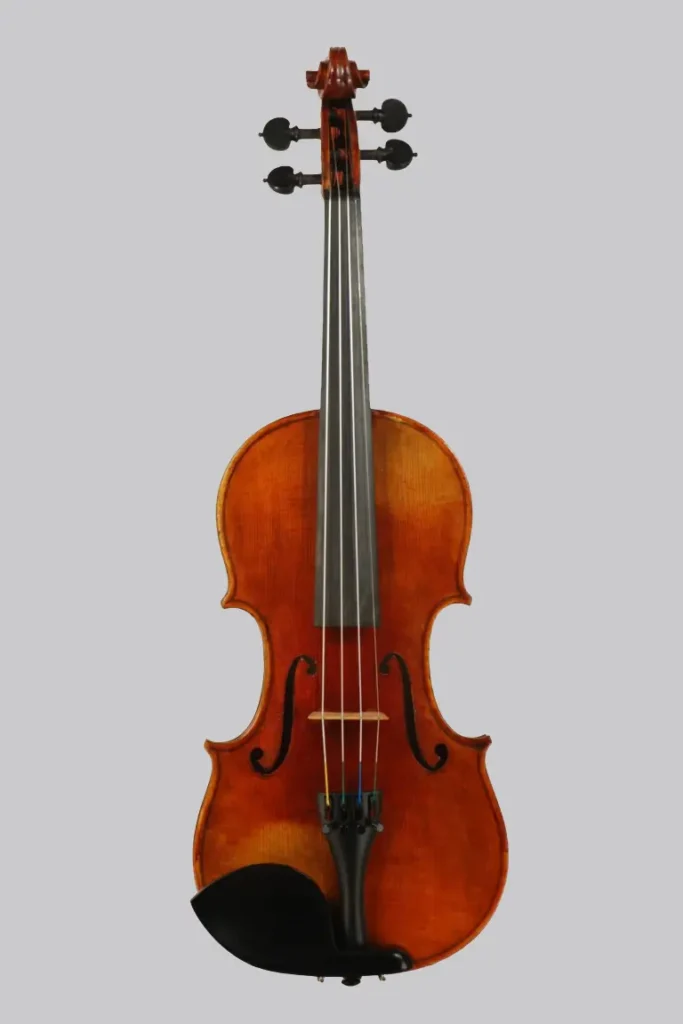
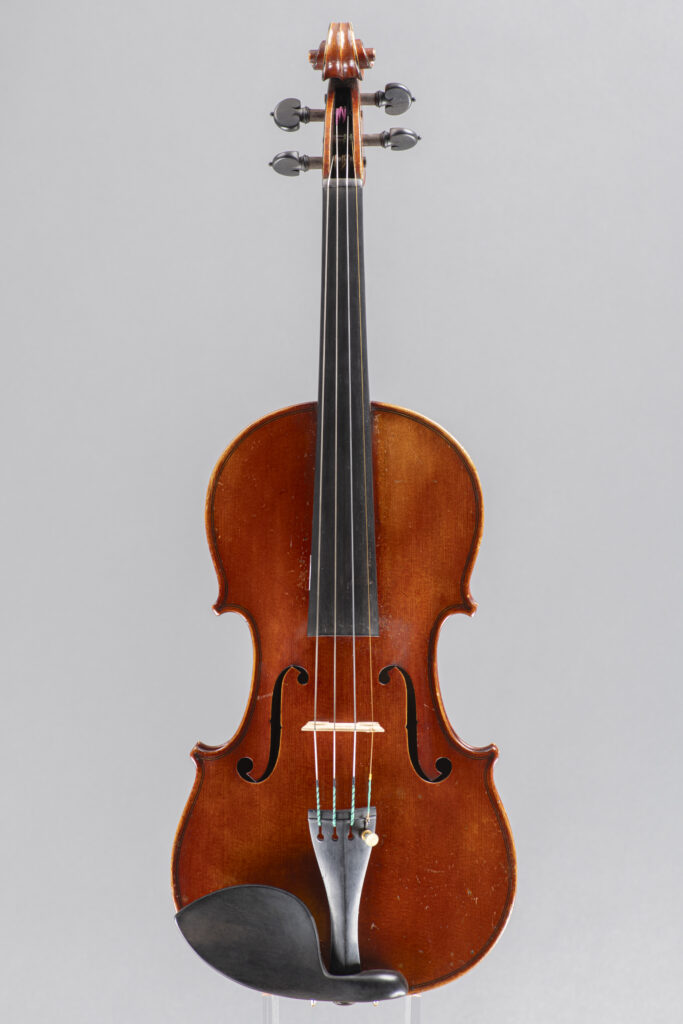
The Master Behind Your Investment
When you acquire a Bianchi violin, you're not just buying an instrument—you're becoming part of a legacy that shaped Italian violin making for generations. Nicolo Bianchi (1803-1881) wasn't just another craftsman; he was the catalyst who revived the Genoa school and trained the masters whose names command respect today.
Why Bianchi Matters to Serious Musicians: While others were copying old masters, Bianchi was creating the future. His students—Scarampella, Praga, Antoniazzi—became legends in their own right. This lineage isn't just history; it's the foundation of modern Italian violin making.
Career Highlights:
Strategic Career Spanning Two Nations: Bianchi's time in Paris (1840s-1869) placed him at the center of European violin culture. He wasn't provincial—he competed with and earned respect from French masters in the world's most demanding market.
Innovation Within Tradition: One of the few 19th-century Italian makers to create antiqued violins, Bianchi understood both historical techniques and contemporary market demands—a sophisticated approach that modern collectors deeply value.
Elite Clientele: His instruments were chosen by the most famous Italian soloists of the era, including virtuosi who could have afforded any violin available. Their professional choice validates the quality you're considering.
Training and Legacy: Born around 1803 in Albissola, near Genoa, Bianchi became a crucial force behind the renewal of the Genoa school of violin making. Trained under master luthiers including Ceruti at Cremona, Guadagnini and Pressenda at Turin, he developed exceptional skills that would influence generations.
"Though he was a crucial force behind the renewal of the Genoa school, Nicolò Bianchi made relatively few instruments during his career in Italy and France." — Tarisio Archives
This rarity isn't accidental—it's the result of Bianchi's perfectionism and his commitment to teaching rather than mass production.